
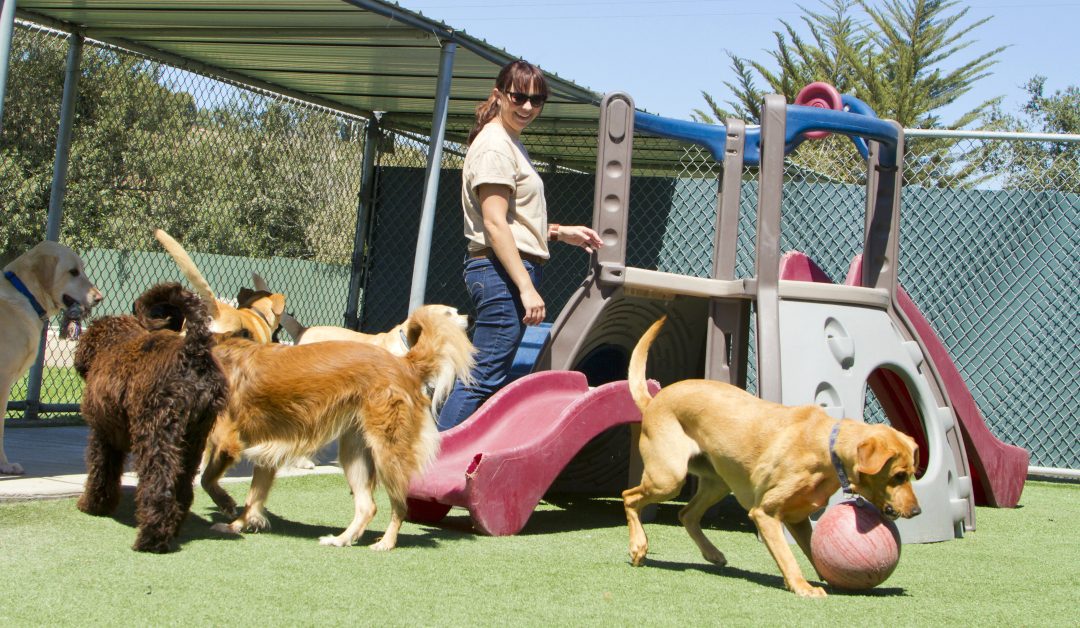
Active dogs thrive when they have a safe, stimulating environment that encourages movement, play, and mental engagement. Whether you’re creating a backyard haven, choosing a dog park, or setting up an indoor play space, a well-designed “hound playground” can dramatically improve your pet’s fitness, behavior, and overall happiness. This guide walks you through the essentials of building the ultimate Healthy Hound Playground burke for active pets—one that supports exercise, enriches senses, and nurtures confidence.
Why Active Play Matters
Regular physical activity is more than just fun for dogs—it’s vital to their well-being. Active play strengthens muscles and joints, improves cardiovascular health, sharpens coordination, and helps maintain a healthy weight. It also reduces stress and boredom, both of which can lead to behavioral issues such as excessive barking or destructive chewing. A thoughtfully designed playground gives dogs an outlet for their natural instincts: running, jumping, digging, sniffing, climbing, and exploring.
Core Features of a Healthy Hound Playground
A great pet playground incorporates elements that promote different types of physical and mental exercise. Consider including the following components:
1. Open Running Space
Active pets need room to stretch their legs. A clear, fenced-in area with level ground is ideal for sprinting practice, fetch, or chase games. Natural grass is gentle on paws, but turf or dirt can work just as well if maintained properly. The key is safety—remove sharp objects, toxic plants, and tripping hazards.
2. Climbing and Balance Challenges
Equipment like ramps, balance beams, steps, and platforms encourages dogs to engage their core muscles while building confidence. These obstacles mimic natural terrains and stimulate the brain through problem-solving. Wooden structures, sturdy plastic equipment, or even DIY setups like stacked crates can work as long as they’re stable and non-slippery.
3. Jumping and Agility Elements
Agility obstacles such as tunnels, hoops, weave poles, or adjustable jumps provide dynamic physical exercise. These features help improve speed, coordination, and focus. If you’re designing for multiple dogs or beginners, ensure jumps are low and adjustable to avoid injury. Soft-land surfaces—mulch, sand, or padded grass—offer extra protection.
4. Digging Zones
For natural diggers, a designated digging box can save your garden and satisfy instinctual behavior. Fill a sandbox or shallow pit with sand or loose soil, and occasionally bury safe toys or treats to spark interest. This controlled outlet reduces boredom and prevents unwanted holes in other parts of the yard.
5. Sensory Stimulation Spaces
A healthy playground should also challenge a dog’s mind. Sensory elements can include:
- Scent gardens with dog-safe herbs like basil, rosemary, or mint
- Textured pathways made of pebbles, mulch, rubber mats, and grass
- Interactive toys such as treat-dispensing balls or snuffle mats
These enrichments promote exploration while engaging a dog’s strongest senses.
6. Water Play Areas
Water-loving breeds benefit from splash pads, shallow pools, or hose-run sprinklers. Water areas keep dogs cool, reduce heat exhaustion risk, and create playful movement opportunities. Always supervise water activities and ensure pools have slip-resistant edges and shallow access.
Indoor Playground Alternatives
Not everyone has a large outdoor space, but an indoor hound playground can be just as effective with the right setup. Use soft tunnels, low obstacles, puzzle toys, and foam platforms. Rotate toys regularly to keep the environment engaging. For apartment dwellers, consider hallway fetch sessions, stair workouts (if safe), and interactive feeders to boost mental stimulation.
Safety and Maintenance Essentials
A healthy playground is also a safe one. Follow these best practices:
- Inspect equipment weekly for splinters, loose screws, or wear.
- Provide shaded rest areas to prevent overheating.
- Offer fresh water at all times.
- Choose non-toxic materials for plants, mulch, and paint.
- Supervise group play to ensure compatible energy levels and prevent rough behavior.
Regular upkeep prevents accidents and creates a space your dog can enjoy daily.
Customizing the Playground for Your Dog’s Needs
Every dog is unique—age, breed, energy level, and personality should shape your playground design. High-energy breeds like Border Collies or Pointers may crave more agility challenges, while small breeds or seniors benefit from low-impact equipment. Observe how your dog naturally plays and adjust the environment accordingly.
Final Thoughts
A well-designed hound playground is more than a collection of toys and obstacles—it’s an investment in your dog’s health, happiness, and confidence. By incorporating physical challenges, mental stimulation, and safety-focused design, you create a space where your active pet can thrive year-round. Whether indoors or outdoors, simple or elaborate, the ultimate healthy playground is one that encourages your dog to explore, move, and enjoy life to the fullest.