
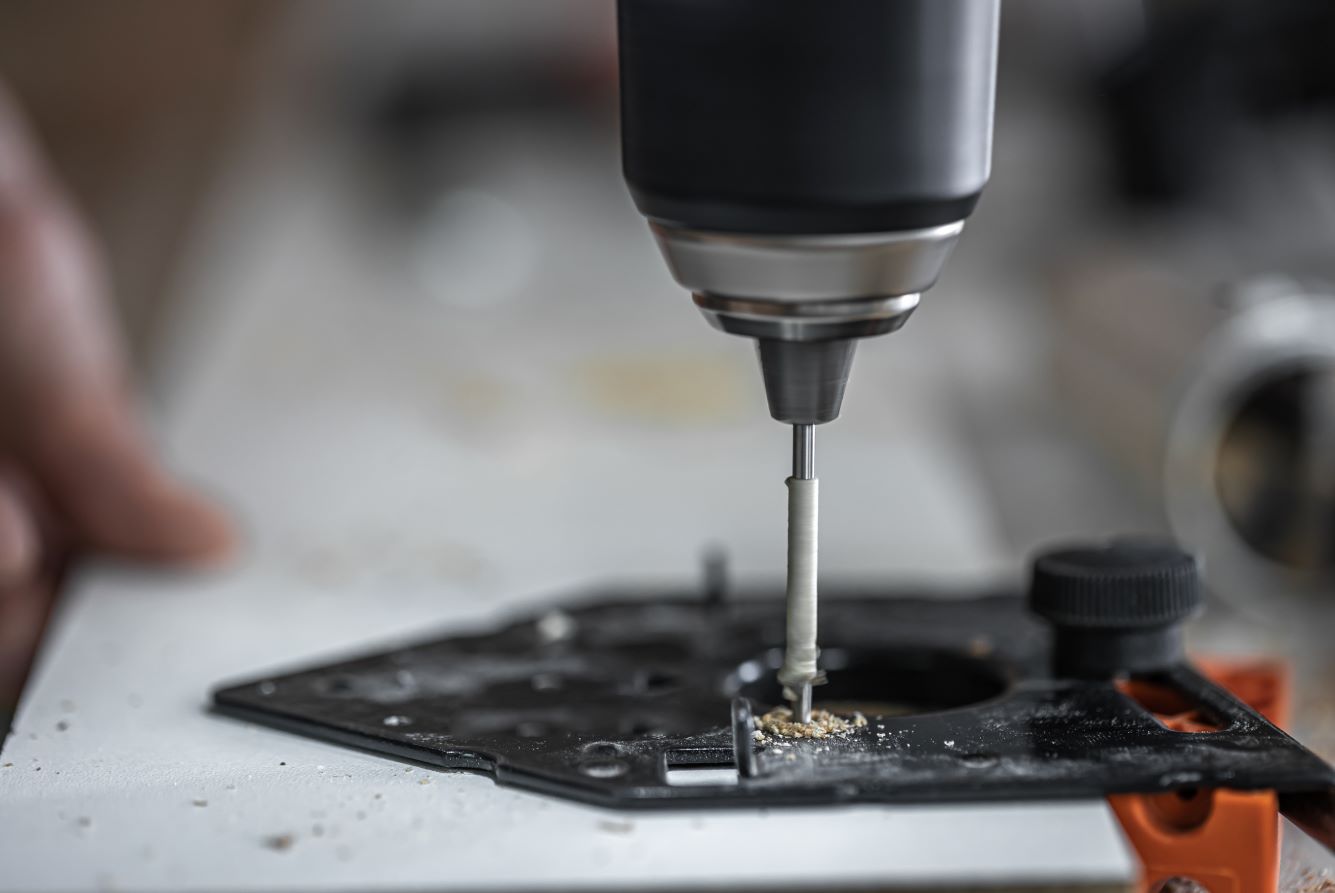
Machining holes in metal is a fundamental process in manufacturing, engineering, and fabrication industries. From automotive components and aerospace parts to construction materials and precision tools, accurately machined holes are essential for structural integrity, assembly, and functionality. Whether using drilling, boring, reaming, or advanced CNC techniques, achieving precise hole dimensions and surface finishes requires the right tools, methods, and technical knowledge.
Understanding the principles of machining holes in metal helps manufacturers, machinists, and engineers improve accuracy, reduce material waste, and enhance production efficiency. With modern machining technologies evolving rapidly, precision hole-making has become more advanced, reliable, and versatile than ever before.
Understanding Hole Machining in Metal
Hole machining refers to the process of creating or finishing holes in metal workpieces using cutting tools and machining equipment. Unlike simple drilling, precision hole machining often involves multiple stages to achieve the required diameter, tolerance, and surface quality.
Metal hole machining is used in various applications, including mechanical assemblies, fastener placements, fluid channels, and structural connections. The process must consider factors such as material hardness, tool geometry, cutting speed, and lubrication to ensure optimal results.
Common Methods for Machining Holes in Metal
There are several techniques used for machining holes in metal, each suited for different applications and precision requirements.
Drilling
Drilling is the most common method for creating holes in metal. It involves using a rotating drill bit to remove material and form a cylindrical hole. Drilling is widely used in manufacturing due to its speed and cost-effectiveness. However, standard drilling may not always achieve the highest precision or smooth surface finish.
Boring
Boring is a finishing process used to enlarge and refine an existing hole. It improves dimensional accuracy and alignment, making it ideal for high-precision engineering applications. Boring is commonly used in industries where tight tolerances are required.
Reaming
Reaming is performed after drilling to enhance hole accuracy and surface finish. A reamer tool removes a small amount of material, producing a smoother and more precise hole. This method is essential for applications requiring exact fits, such as bearings and shafts.
Tapping
Tapping is used to create internal threads inside a machined hole. It is commonly applied in mechanical assemblies where bolts and screws are required. Proper tapping ensures strong and secure fastening in metal components.
CNC Hole Machining
Computer Numerical Control (CNC) machining offers high precision and automation for hole machining in metal. CNC machines can perform drilling, boring, and tapping with exceptional accuracy and repeatability, making them ideal for complex and large-scale production.
Types of Tools Used in Metal Hole Machining
The quality of hole machining depends heavily on the tools used. Selecting the right cutting tool ensures efficiency, precision, and longer tool life.
Twist Drill Bits
Twist drill bits are the most widely used tools for drilling holes in metal. They come in various sizes and materials, including high-speed steel (HSS) and carbide, suitable for different metal types.
Carbide Drills
Carbide drill bits are designed for high-speed machining and hard metals. They offer superior durability and precision compared to standard drill bits.
Reamers
Reamers are finishing tools used to refine hole diameter and improve surface finish. They are essential for high-precision applications.
Boring Bars
Boring bars are used in boring operations to enlarge and align holes with high accuracy. They are commonly used in CNC machining and lathe operations.
Taps and Threading Tools
Taps are used to create internal threads within drilled holes. They are available in different thread sizes and designs to suit various applications.
Factors Affecting Precision in Hole Machining
Achieving accurate holes in metal requires careful consideration of several technical factors.
Material Type
Different metals, such as aluminium, steel, stainless steel, and titanium, have varying hardness and machinability. Harder metals require specialised tools and slower cutting speeds to prevent tool wear and inaccuracies.
Cutting Speed and Feed Rate
Proper cutting speed and feed rate are crucial for efficient machining. Incorrect settings can cause tool breakage, overheating, or poor surface finish.
Tool Geometry and Coating
Tool design, including angle and coating, significantly affects machining performance. Coated tools reduce friction, improve durability, and enhance cutting efficiency.
Cooling and Lubrication
Using cutting fluids and coolants helps reduce heat, friction, and tool wear. This is especially important when machining hard metals or performing deep-hole drilling.
Machine Stability and Alignment
Stable machines and proper alignment ensure accurate hole positioning and consistent results. Vibrations or misalignment can lead to dimensional errors.
Applications of Machining Holes in Metal
Machining holes in metal plays a critical role across multiple industries.
Automotive Industry
Precision holes are essential in engine components, transmission systems, and structural parts to ensure proper assembly and performance.
Aerospace Engineering
Aerospace components require extremely precise hole machining to meet strict safety and performance standards.
Construction and Fabrication
Metal frameworks, beams, and structural components rely on accurately machined holes for secure fastening and load-bearing applications.
Manufacturing and Machinery
Industrial machines and tools require precise hole placements for mechanical assembly and operational efficiency.
Electronics and Precision Engineering
Small and highly accurate holes are necessary for electronic devices, circuit boards, and precision instruments.
Advantages of Modern Hole Machining Techniques
High Precision and Accuracy
Advanced machining methods, especially CNC machining, ensure consistent hole dimensions and tight tolerances.
Improved Surface Finish
Modern tools and techniques produce smoother hole surfaces, reducing the need for additional finishing processes.
Increased Productivity
Automated machining systems allow faster production with minimal human error.
Versatility in Complex Designs
Modern machining technologies can create complex hole patterns and geometries with ease.
Reduced Material Waste
Precision machining minimises errors and material wastage, leading to cost-effective production.
Challenges in Machining Holes in Metal
Despite technological advancements, machining holes in metal presents several challenges.
Tool Wear and Breakage
Continuous machining of hard metals can cause rapid tool wear, affecting accuracy and productivity.
Heat Generation
Excessive heat during machining can damage both the tool and the workpiece if not properly managed.
Chip Removal
Efficient chip evacuation is essential to prevent clogging and ensure smooth drilling operations.
Maintaining Tight Tolerances
High-precision industries require extremely tight tolerances, which demand advanced equipment and skilled operators.
Best Practices for Efficient Hole Machining
To achieve optimal results when machining holes in metal, manufacturers and machinists should follow proven best practices.
- Use the correct drill bit material for the metal type
- Maintain proper cutting speeds and feed rates
- Apply suitable coolants and lubricants
- Ensure machine stability and proper alignment
- Perform regular tool maintenance and replacement
- Use pilot holes for improved accuracy
- Implement quality inspection and measurement tools
Following these practices enhances machining efficiency, precision, and tool longevity.
Future Trends in Metal Hole Machining
The future of hole machining in metal is being shaped by automation, smart manufacturing, and advanced tooling technologies. CNC machining, robotic systems, and AI-driven process optimisation are improving precision and productivity in modern manufacturing environments.
Additionally, innovations such as laser drilling and ultrasonic machining are gaining popularity for specialised applications that require extreme precision and minimal material distortion. Sustainable machining practices, including eco-friendly coolants and energy-efficient machines, are also becoming more prominent in the industry.
Conclusion
Machining holes in metal is a critical process that supports a wide range of industrial and engineering applications. From basic drilling to advanced CNC machining, achieving precision and efficiency requires the right tools, techniques, and technical expertise. Understanding the different methods, materials, and factors involved in hole machining helps manufacturers produce high-quality components with superior accuracy and durability.
As technology continues to evolve, modern machining techniques are making hole production faster, more precise, and more reliable. By adopting best practices and advanced machining solutions, industries can enhance productivity, reduce costs, and maintain high standards of quality in metal fabrication and manufacturing processes.