
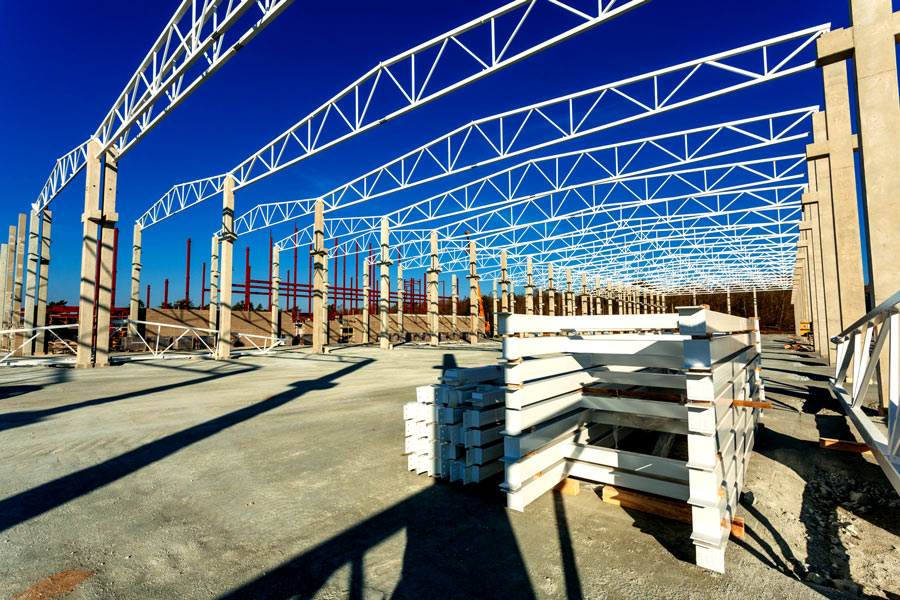
In the modern construction industry, innovation and efficiency are key drivers of success. As building demands increase and sustainability becomes a priority, traditional methods such as wood framing are being replaced or complemented by more durable alternatives. Among these, the steel framing system has emerged as a leading choice for residential, commercial, and industrial projects alike.
Known for its strength, versatility, and cost-effectiveness, steel framing offers a wide range of benefits that make it an attractive option for builders, architects, and property owners. Let’s explore what steel framing systems are, their advantages, and why they’re shaping the future of construction.
What is a Steel Framing System?
A steel framing system is a construction method where structural steel components are used to create the “skeleton” or framework of a building. These steel members—typically beams, columns, studs, and tracks—replace traditional wood or concrete structures to provide support and stability.
Steel frames are manufactured to precise specifications and are assembled on-site, either as individual components or prefabricated panels. They can be used for everything from small residential homes to high-rise buildings and large-scale industrial complexes.
Key Benefits of Steel Framing Systems
1. Unmatched Strength and Durability
Steel is one of the strongest construction materials available, capable of withstanding heavy loads, strong winds, and even seismic activity. Unlike wood, steel does not warp, split, or crack over time. This resilience ensures that structures built with steel framing maintain their integrity for decades.
2. Resistance to Fire, Pests, and Moisture
One of steel’s greatest advantages is its resistance to common threats:
- Fire: Steel is non-combustible, reducing fire risks.
- Pests: Termites and rodents cannot damage steel framing, unlike wood.
- Moisture: Properly treated steel resists mold, rot, and corrosion, making it ideal in humid or flood-prone regions.
3. Precision and Consistency
Steel framing is manufactured in controlled environments, ensuring consistent quality and dimensions. This precision reduces errors during assembly, minimizes waste, and speeds up construction timelines.
4. Lightweight Yet Strong
Although steel is incredibly strong, it is lighter than many other construction materials. This makes transportation and assembly easier, while still delivering superior load-bearing capacity.
5. Design Flexibility
Steel framing systems allow for wide, open spaces without the need for bulky load-bearing walls. This flexibility is particularly beneficial in modern architecture, where open-concept designs and large windows are highly sought after.
6. Faster Construction
Prefabricated steel framing components arrive ready for assembly, significantly reducing construction time compared to traditional methods. Faster project completion means lower labor costs and quicker occupancy for property owners.
7. Sustainability and Environmental Benefits
Steel is 100% recyclable without losing its quality. Many steel framing systems use recycled content, making them an eco-friendly choice. Additionally, the reduced waste during construction contributes to greener building practices.
8. Long-Term Cost Savings
While the upfront cost of steel framing may be slightly higher than wood, the long-term savings are substantial. Reduced maintenance, fewer repairs, energy efficiency, and resistance to damage all add up to lower overall costs across the building’s lifespan.
Applications of Steel Framing Systems
Steel framing isn’t limited to one type of building—it’s used across multiple sectors:
- Residential Construction: From single-family homes to apartment complexes, steel framing provides safer, longer-lasting structures.
- Commercial Buildings: Offices, retail spaces, and warehouses benefit from the strength and design flexibility of steel.
- Industrial Projects: Factories, plants, and storage facilities rely on steel framing for its ability to support heavy equipment and large spans.
- Educational and Healthcare Facilities: Schools and hospitals prioritize safety and longevity, making steel framing the preferred choice.
Steel vs. Wood: Why Steel is Winning
Traditionally, wood framing dominated the residential construction industry. However, as costs rise and sustainability concerns grow, steel has become a strong competitor. Here’s how steel compares to wood:
- Durability: Steel outlasts wood, resisting warping, shrinking, and pests.
- Fire Resistance: Wood is combustible; steel is not.
- Environmental Impact: Wood depletes forests, while steel is recyclable.
- Cost: Wood is often cheaper initially, but steel reduces long-term expenses.
For builders and property owners seeking longevity and sustainability, steel often proves to be the smarter investment.
Challenges of Steel Framing Systems
While the benefits are substantial, steel framing does come with some challenges:
- Initial Cost: The upfront material cost is higher than wood, which may deter budget-conscious projects.
- Thermal Conductivity: Steel can transfer heat or cold more quickly, requiring proper insulation to maintain energy efficiency.
- Skilled Labor: Installing steel framing may require specialized training compared to traditional methods.
Despite these challenges, advancements in technology and training continue to make steel framing more accessible and cost-competitive.
The Future of Steel Framing
As sustainability and resilience become non-negotiable in construction, steel framing systems are positioned to play an even larger role. With increasing adoption of prefabricated steel components, green building certifications, and innovations in insulation and coatings, the benefits of steel will only grow.
Architects and engineers are also pushing boundaries, using steel to create futuristic, energy-efficient buildings that balance beauty and strength. From residential communities to skyscrapers, steel framing is no longer just an alternative—it’s becoming the standard for modern construction.
Final Thoughts
The steel framing system offers a powerful combination of strength, safety, design flexibility, and sustainability. While the initial investment may be higher than traditional wood framing, the long-term benefits—lower maintenance, durability, and eco-friendliness—make it a smart choice for builders and property owners alike.
As the construction industry continues to evolve, steel framing stands out as a forward-thinking solution that meets the demands of today while preparing for the challenges of tomorrow. Whether for residential, commercial, or industrial projects, choosing steel is an investment in quality, efficiency, and the future of building.