
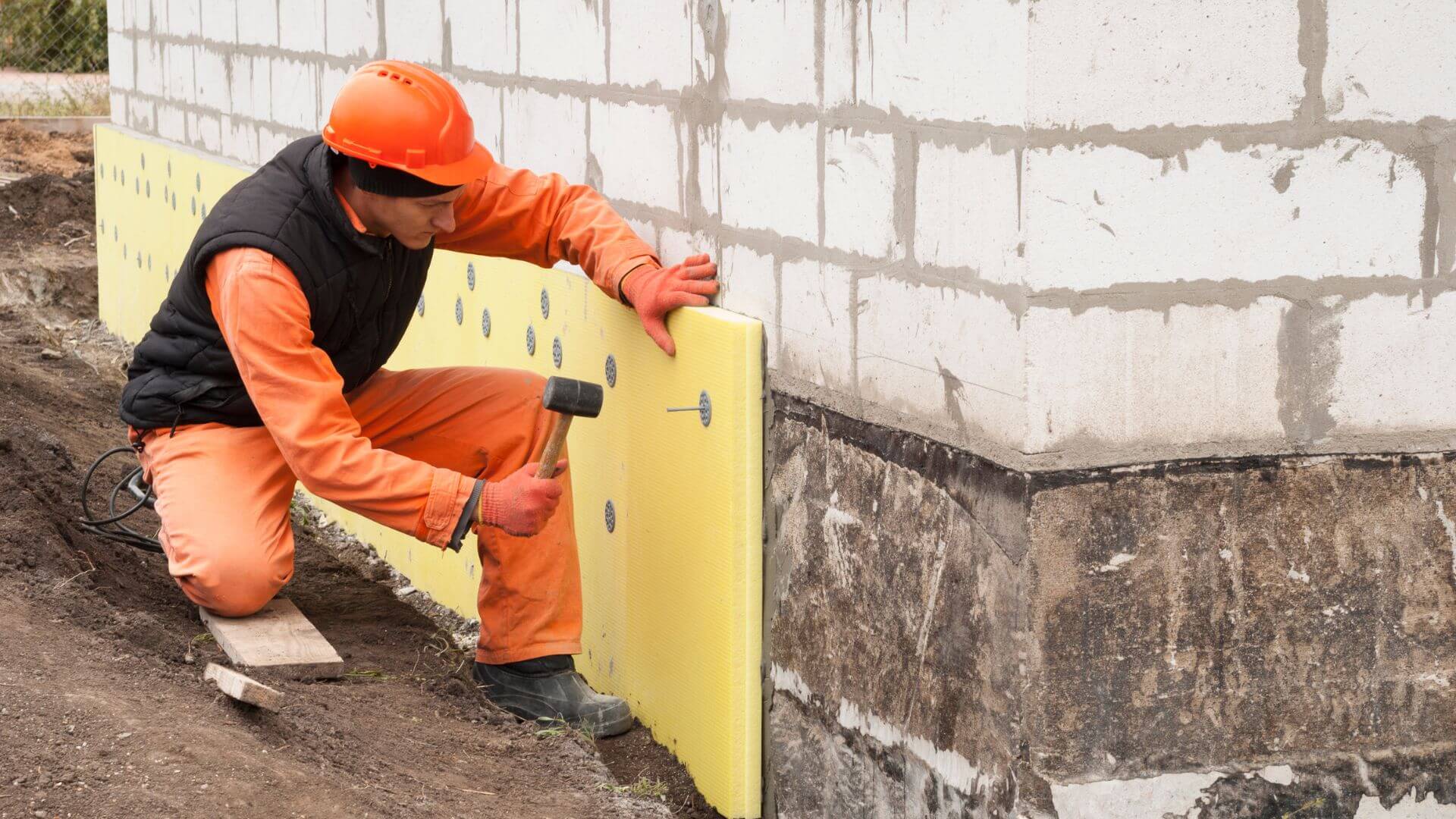
A building’s foundation plays a critical role in transferring structural loads safely into the ground. When the foundation moves, cracks, or loses adequate support, the effects may extend beyond the basement or concrete slab. Walls, floors, door frames, and other structural components can also be affected. Structural foundation repair addresses problems that compromise the foundation’s performance and may require a coordinated approach involving inspection, engineering, and specialized construction work.
For homeowners, recognizing the difference between cosmetic damage and structural movement is an important first step. A small crack does not automatically mean a house is unsafe, but a pattern of widening cracks, significant displacement, or continuing movement deserves professional evaluation. The goal is to identify the underlying cause, determine whether the structure remains adequately supported, and select a repair method suited to the property’s conditions.
What Makes a Foundation Problem Structural?
A foundation problem becomes a structural concern when damage or movement affects the foundation’s ability to support and transfer building loads as intended. Examples can include significant settlement, displaced foundation sections, certain forms of wall movement, or deterioration that reduces the capacity of structural components.
The appearance of damage alone may not establish its severity. A vertical crack in concrete may be related to shrinkage, settlement, or other factors, while a diagonal crack accompanied by displacement may require closer investigation. The location, width, direction, history, and progression of a crack all provide useful clues, but they should be interpreted within the context of the entire building.
A qualified structural professional can evaluate the pattern of movement and determine whether further investigation is necessary. This may include reviewing construction details, checking floor elevations, assessing foundation walls, or investigating soil and drainage conditions.
Common Causes of Structural Foundation Damage
Soil settlement is one potential cause of structural foundation problems. If the soil beneath a footing or slab compresses unevenly, different parts of the structure may move by different amounts. This differential movement can place stress on walls, floors, and connected building components.
Expansive soils can also contribute to movement by changing volume as their moisture content changes. Extended dry periods may cause shrinkage, while periods of heavy rainfall or concentrated water flow may increase soil moisture. These changes can affect foundation support, particularly when moisture conditions vary across the property.
Other possible causes include inadequate site preparation, poor drainage, leaking underground plumbing, nearby excavation, or construction deficiencies. In older buildings, deterioration of foundation materials may also require attention. Because several factors can occur together, effective repair planning begins with investigating the conditions rather than assuming a single cause.
Warning Signs That Need Assessment
Homeowners should pay attention to changes that appear in several locations or worsen over time. These may include cracks in foundation walls, substantial floor slopes, gaps between walls and ceilings, and doors or windows that repeatedly become difficult to operate.
Horizontal cracking or inward movement in a basement wall can be particularly important because lateral soil pressure may be involved. Significant displacement, rapidly developing cracks, or visible structural instability should be assessed promptly by a qualified professional.
Water intrusion can accompany foundation damage, but it does not necessarily prove that the foundation has lost structural capacity. Likewise, a dry basement does not guarantee that the foundation is structurally sound. A complete assessment considers the building’s condition, movement history, drainage, and other relevant evidence.
The Role of Structural Engineering
Structural engineers can help determine the seriousness of foundation movement and establish the technical requirements for appropriate repairs. Their work may involve examining load paths, reviewing the foundation design, measuring movement, and considering how proposed repairs will interact with the existing structure.
For more complex cases, additional investigation may be necessary. A geotechnical professional may evaluate soil conditions, while a plumber may identify an underground leak contributing to localized settlement. Coordinating these findings can help establish a more reliable diagnosis.
Engineering involvement is especially valuable when the damage is extensive, several repair methods are being considered, or the work could affect the building’s load-bearing components. Homeowners should ask whether the proposed solution requires engineering drawings, permits, inspections, or other approvals under local requirements.
Common Structural Repair Approaches
Structural foundation repair is not a single technique. The correct approach depends on the nature of the problem, the foundation type, the condition of the surrounding soil, and the loads the structure must support.
Underpinning may be considered where additional support is required beneath an existing foundation. Depending on the design, piers or other support systems may transfer loads to suitable bearing strata. The required number, placement, and design of supports should be based on the project’s engineering and site conditions.
Foundation walls that move laterally may require a different strategy. Depending on the cause and severity, an engineer may specify reinforcement, stabilization, reconstruction, or other suitable measures. Localized cracks may sometimes be repaired using appropriate materials, but crack filling alone should not be treated as a substitute for addressing continuing structural movement.
Some projects also require drainage improvements or plumbing repairs. Correcting these contributing conditions can be an important part of the overall solution, although it may not eliminate the need for structural work.
Choosing a Qualified Repair Professional
When evaluating a contractor, homeowners should verify relevant qualifications, insurance, references, and licensing requirements. Ask whether the company has experience with the specific foundation type and structural condition involved.
A written proposal should identify the problem being addressed, describe the proposed repair method, specify the work included, and explain how the contractor will handle unexpected conditions. It should also clarify warranties, payment schedules, cleanup, and restoration of areas disturbed during construction.
Avoid making a decision solely on a sales presentation or a promise that every symptom will disappear. A reliable professional should explain the reasoning behind the recommendation and acknowledge any limitations or uncertainties. When proposals differ substantially, an independent engineering assessment may help homeowners compare them objectively.
Understanding Repair Costs and Project Planning
The cost of structural foundation repair varies according to the severity of the damage, site accessibility, excavation requirements, materials, labor, engineering, and permit costs. Work involving several structural components is generally more complex than a localized repair.
Homeowners should compare estimates based on scope rather than price alone. One proposal may include engineering and drainage corrections, while another may cover only the installation of a support system. Understanding these differences is essential to evaluating the overall value.
Ask how long the work is expected to take, whether parts of the home will be inaccessible, and whether interior finishes or landscaping need to be removed. Clarify whether repairs will be inspected and what documentation will be provided after completion.
Protecting the Building After Repairs
Once structural work is complete, ongoing maintenance can help reduce the risk of recurring problems. Keep gutters clear, maintain suitable surface drainage, and investigate plumbing leaks promptly. Avoid directing concentrated roof runoff toward foundation walls.
Follow the contractor’s or engineer’s monitoring instructions and retain all reports, drawings, permits, invoices, and warranty documents. If new displacement or worsening cracks appear, seek professional advice rather than assuming the changes are harmless.
Conclusion
Structural foundation repair requires a clear understanding of how a building is supported and why movement has occurred. An effective solution addresses the actual structural condition while considering soil, drainage, and other contributing factors.
By obtaining an appropriate assessment, involving qualified professionals when necessary, and comparing detailed proposals, homeowners can make better-informed decisions. Careful project planning and ongoing maintenance then help protect the structure and support the long-term performance of the property.