
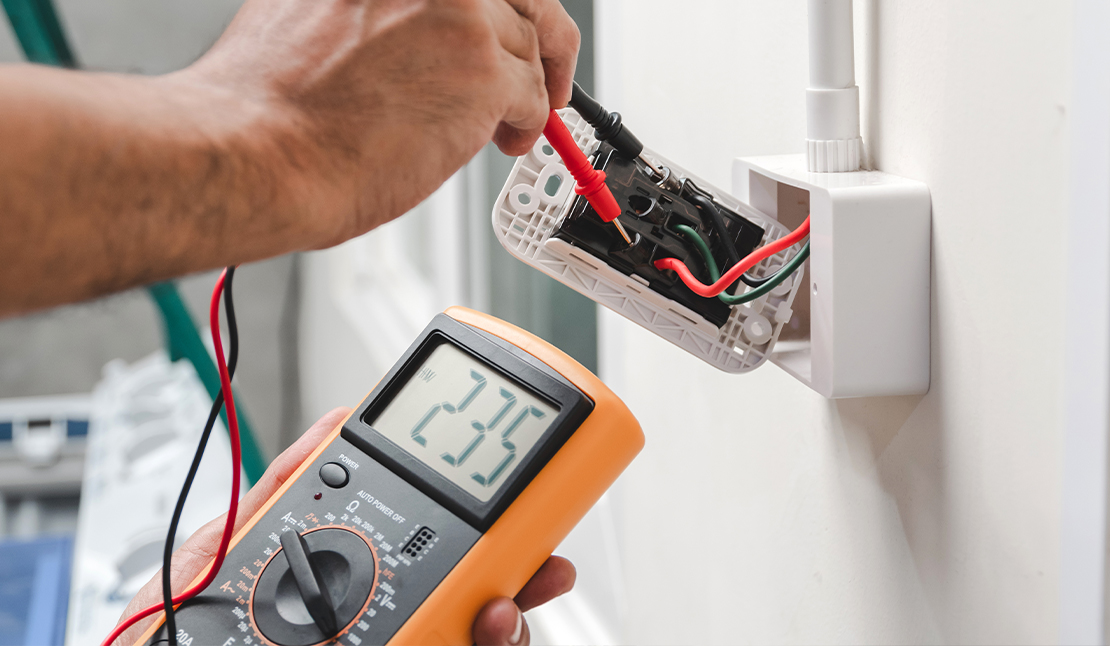
Electrical safety is a critical aspect of public and workplace safety, especially in a modern society heavily dependent on electricity for everyday operations. electrical safety test in Malaysia plays an essential role in preventing accidents, reducing hazards, and ensuring that electrical equipment and installations comply with regulatory standards.
Whether it’s a household appliance, a factory machine, or a commercial building’s wiring system, regular testing ensures that these systems remain safe, functional, and compliant with the law. This article explores the importance of electrical safety tests in Malaysia, the regulatory framework, testing procedures, and how they benefit businesses and individuals.
Why Electrical Safety Testing Matters
Electrical hazards are among the leading causes of fires, equipment damage, and workplace injuries worldwide. In Malaysia, electrical faults can result in electric shocks, short circuits, electrocution, or even large-scale fires. Regular electrical safety tests help to:
- Identify faults early before they lead to dangerous incidents
- Ensure compliance with Malaysian safety regulations and standards
- Reduce downtime from unexpected equipment failures
- Protect employees and occupants from potential harm
- Increase the lifespan of electrical equipment and installations
By detecting potential issues early, preventive action can be taken—saving lives, reducing property damage, and avoiding costly repairs.
Regulatory Framework in Malaysia
Electrical safety in Malaysia is regulated primarily by Suruhanjaya Tenaga (ST), also known as the Energy Commission of Malaysia. The commission oversees electrical installation standards, licensing, and safety compliance.
Some of the key regulations and standards include:
1. Electricity Supply Act 1990
This act governs the generation, transmission, and use of electricity in Malaysia. It requires that electrical installations be inspected and certified safe before being put into operation.
2. Electricity Regulations 1994
This regulation specifies safety requirements for wiring, electrical equipment, and protective devices. It mandates that certain installations undergo Periodic Inspections by registered electrical inspectors.
3. MS IEC Standards
Malaysia adopts International Electrotechnical Commission (IEC) standards, ensuring electrical equipment meets global safety and performance benchmarks.
4. Suruhanjaya Tenaga Licensing
Only licensed electrical contractors and competent persons can carry out certain types of electrical testing and installation.
Types of Electrical Safety Tests
Electrical safety testing covers various procedures depending on the equipment or installation type. Some of the most common tests in Malaysia include:
1. Insulation Resistance Testing
This test checks the condition of wiring insulation to ensure it prevents leakage currents. Poor insulation can lead to electric shocks or equipment failure.
2. Earth Continuity Testing
A critical test to confirm that all exposed metal parts of an installation are properly earthed, reducing the risk of electric shock in case of a fault.
3. Residual Current Device (RCD) Testing
RCDs, also known as earth leakage circuit breakers (ELCBs), protect people from electrocution by cutting off power when a leakage current is detected. Regular testing ensures these devices trip within the correct time frame.
4. Polarity Testing
Ensures that electrical connections, such as live, neutral, and earth wires, are correctly wired—preventing hazards caused by reversed polarity.
5. High Voltage Testing
For industrial equipment, high voltage testing checks that the insulation can withstand voltages much higher than normal operating levels.
6. Appliance Portable Appliance Testing (PAT)
Portable electrical equipment is tested for safety, particularly in workplaces where such equipment is frequently moved and used.
Who Needs Electrical Safety Testing in Malaysia?
Electrical safety testing is required in many sectors, including:
- Manufacturing plants (to comply with occupational safety standards)
- Commercial buildings (offices, malls, hotels) to ensure tenant and visitor safety
- Educational institutions to protect students and staff
- Healthcare facilities to safeguard sensitive medical equipment
- Residential properties for safe living environments
- Construction sites where temporary electrical setups are common
The frequency of testing may vary based on the type of installation, regulatory requirements, and risk factors.
How the Testing Process Works
While procedures may vary depending on the facility and type of equipment, electrical safety testing in Malaysia typically involves these steps:
- Initial Assessment – A qualified electrician inspects the installation or appliance visually to identify obvious signs of wear, damage, or non-compliance.
- Measurement and Testing – Using calibrated testing instruments, various safety tests are conducted, such as insulation resistance, earth continuity, and RCD trip time measurements.
- Recording and Documentation – Test results are recorded and compared with Malaysian safety standards.
- Rectification Work – If faults are detected, repairs or replacements are made before re-testing.
- Certification – Once the system passes all tests, a compliance certificate is issued, proving the installation meets the required safety standards.
Benefits of Electrical Safety Testing in Malaysia
- Legal Compliance – Avoid fines, legal action, or shutdowns by meeting Suruhanjaya Tenaga requirements.
- Risk Reduction – Minimize the likelihood of electrical accidents and equipment damage.
- Cost Savings – Prevent expensive repairs or downtime through early fault detection.
- Improved Reputation – Demonstrating a commitment to safety boosts trust among clients, tenants, and stakeholders.
- Long-Term Asset Protection – Well-maintained electrical systems have longer lifespans, providing better returns on investment.
Choosing a Qualified Electrical Testing Service in Malaysia
When selecting a company to perform electrical safety testing, consider:
- Licensing – Ensure they are registered with Suruhanjaya Tenaga.
- Experience – Look for proven track records in similar projects.
- Equipment – Use of modern, calibrated testing instruments.
- Reporting – Clear, detailed test reports for compliance records.
- Customer Service – Responsive and transparent communication.
A reputable provider will also advise on preventive measures and ongoing maintenance schedules.
The Growing Importance of Electrical Safety in Malaysia
With Malaysia’s expanding industrial sector, rising energy consumption, and growing reliance on electrical systems, safety testing is more important than ever. From preventing workplace accidents to ensuring uninterrupted business operations, regular electrical inspections are a cornerstone of both safety and productivity.
Government agencies, businesses, and homeowners are increasingly aware that investing in safety testing is not just about compliance—it’s about protecting lives, property, and investments.
Conclusion
Electrical safety testing in Malaysia is a vital practice that ensures equipment and installations remain safe, reliable, and compliant with national regulations. By engaging qualified, licensed professionals and following recommended testing intervals, businesses and individuals can significantly reduce risks while ensuring smooth operations.
Whether you operate a manufacturing plant, manage a commercial property, or own a home, regular electrical safety testing is a small investment with significant returns—peace of mind, safety, and compliance.